
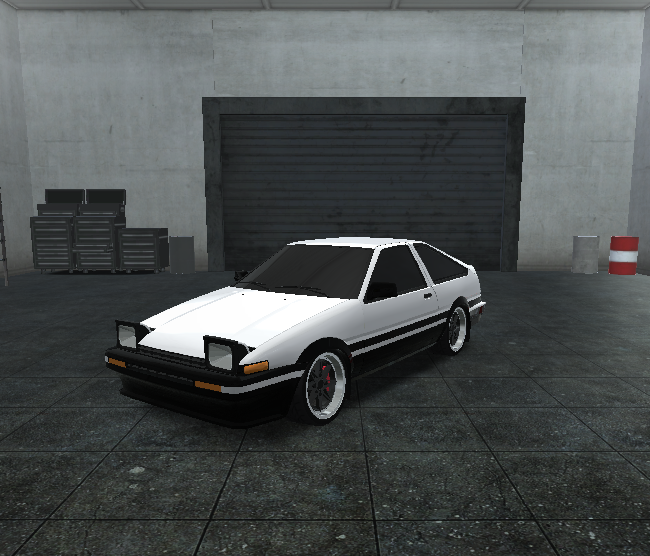
A Guide to Drift Hunters
drift hunters provides a surprisingly deep and rewarding drifting experience in a simple, accessible... View more
Organizer:
- Organized by
-
-

Dress to Impress Fashion Icon: Learn the Secrets of Standout Styling
-
Dress to Impress Fashion Icon: Learn the Secrets of Standout Styling
Fashion is more than choosing attractive clothes. It is about expressing personality, understanding visual balance, and creating a look that communicates confidence. In styling games, these ideas become especially interesting because players must work with available clothing, accessories, hairstyles, and themes to build an outfit that stands out.
The concept of dress to impress fashion icon focuses on creating polished, memorable looks that reflect a strong sense of personal style. Whether the goal is to create a sophisticated runway appearance, a modern streetwear outfit, or a glamorous evening look, successful styling depends on how individual elements work together.
Developing a better understanding of fashion principles can help players make more creative decisions, experiment with different aesthetics, and approach every styling challenge with a clearer vision.
Understanding the Fashion Icon Aesthetic
A fashion icon is often recognized for having a distinctive style. Rather than following every trend without considering its suitability, a fashion-conscious person understands how to adapt trends to create a recognizable appearance.
In a styling game, this means thinking beyond individual clothing items. An outfit should have a clear direction, and each piece should support the overall idea.
Some looks communicate elegance through simple silhouettes and carefully selected accessories. Others rely on dramatic shapes, contrasting colors, or unusual combinations to attract attention.
There is no single formula for creating a fashion icon look. The important part is understanding the intended impression and selecting items that communicate it effectively.
Start With a Clear Outfit Concept
Before choosing clothes, decide what kind of character you want to create.
You might imagine a confident runway model, a sophisticated business professional, a modern streetwear enthusiast, or someone dressed for a glamorous evening event.
Starting with a concept makes the styling process more organized. It gives you a reference point when choosing colors, clothing shapes, hairstyles, and accessories.
Without a clear direction, it is easy to select several attractive items that do not complement one another.
A useful approach is to identify three characteristics for your intended look, such as elegant, modern, and minimal. Use those qualities to guide your choices throughout the process.
Choose Colors That Work Together
Color is one of the strongest tools in fashion styling.
A coordinated color palette can make an outfit appear intentional, even when the clothing itself is relatively simple. On the other hand, combining too many unrelated shades may make the overall appearance feel disorganized.
Begin with two or three main colors. Neutral shades can provide a foundation, while one brighter color can introduce contrast or become the main focal point.
For a sophisticated outfit, black, white, beige, and muted tones can create a refined appearance. For a playful or dramatic theme, stronger colors may be more appropriate.
The goal is not to avoid color but to use it with purpose. Consider how each shade contributes to the mood you want to create.
Build Around the Main Clothing Piece
Every strong outfit needs a foundation.
This might be a distinctive dress, a tailored jacket, a coordinated top and skirt, or a statement pair of trousers. Once the main piece has been selected, the remaining items should complement its style and proportions.
For example, an elaborate dress may work best with understated accessories because the clothing already attracts attention. A simple outfit, however, may benefit from a more distinctive bag, hairstyle, or pair of shoes.
Thinking this way prevents individual pieces from competing for attention.
A well-chosen foundation also makes it easier to adapt the outfit when the theme or available wardrobe changes.
Understand Proportion and Silhouette
Proportion describes how different parts of an outfit relate to one another. Silhouette refers to the overall shape created by the clothing.
These elements strongly influence how a look is perceived.
A fitted top paired with wide-leg trousers creates a different silhouette from an oversized jacket combined with a short skirt. Both combinations can be effective, depending on the desired style.
When selecting clothing, consider whether the pieces balance one another.
If the main outfit is already voluminous, a more structured element may provide contrast. If the clothing is fitted and simple, a flowing layer can introduce movement and visual interest.
Understanding proportion helps transform a collection of clothing items into a cohesive design.
Use Accessories With Intention
Accessories can make an outfit more memorable, but adding too many can weaken the overall effect.
Jewelry, handbags, belts, glasses, and hair accessories should support the style rather than distract from it.
For a formal look, delicate jewelry and a coordinated handbag may be enough. A bold fashion concept might call for a statement necklace or an unusual accessory that reinforces the theme.
Consider the visual weight of each item. If several accessories are large or highly detailed, they may compete with the main clothing piece.
A useful rule is to select one or two noticeable details and let the rest of the outfit provide balance.
Hairstyles and Makeup-Inspired Details
Hair can change the entire mood of an outfit.
A sleek hairstyle may complement a polished, professional appearance, while soft waves can support a romantic or elegant look. More dramatic hairstyles can be useful when the theme calls for a bold fashion statement.
The hairstyle should work with the clothing rather than being selected independently.
The same principle applies to makeup-inspired details available in a styling game. A dramatic appearance may suit a high-fashion theme, while a more natural look can complement a minimalist outfit.
Consistency between hair, facial details, clothing, and accessories helps make the character appear thoughtfully styled.
Adapt Your Style to the Theme
One of the most important styling skills is adaptability.
A fashion icon look for a formal event will differ from one designed for a casual outing or a futuristic theme. Instead of using the same outfit for every challenge, identify the defining characteristics of the current theme.
For an elegant event, focus on refined silhouettes and coordinated accessories. For a streetwear challenge, consider relaxed shapes, layered pieces, and stronger contrasts. For a vintage theme, use clothing and accessories that communicate the intended era.
You can still maintain a recognizable personal style while making changes that suit the occasion.
Avoid Overstyling
More clothing and accessories do not automatically create a better outfit.
Overstyling happens when too many competing details make it difficult to identify the main idea. Multiple strong patterns, contrasting colors, oversized accessories, and dramatic hairstyles can overwhelm one another.
Instead, decide what should attract attention first.
If the dress is the focal point, keep other elements relatively simple. If the hairstyle or accessories are the most distinctive features, choose clothing that allows them to stand out.
This approach creates a clearer visual hierarchy and helps the entire look feel more deliberate.
Experiment With Layering
Layering introduces depth and can make an outfit appear more complex.
Jackets, coats, cardigans, shirts, and other pieces can change the silhouette while adding another level of styling detail.
However, each layer should serve a purpose. Consider whether it adds contrast, improves the proportions, or strengthens the chosen theme.
A structured jacket can make a soft outfit look sharper, while a lightweight outer layer can add interest without hiding the main clothing piece.
Experimenting with different combinations is a useful way to discover new styling possibilities.
Learn From Every Styling Challenge
Every completed outfit provides an opportunity to improve.
After finishing a challenge, consider which elements worked well and which could be changed. Was the color palette consistent? Did the accessories support the clothing? Was the intended theme immediately recognizable?
These questions encourage thoughtful improvement rather than random experimentation.
It can also be useful to compare different versions of the same concept. Try changing only the hairstyle, footwear, or main color and observe how the overall impression changes.
Over time, these small experiments can help develop a more confident and personal styling approach.
Develop Your Own Fashion Identity
Fashion becomes more interesting when personal creativity is involved.
Inspiration from popular trends can provide a starting point, but copying the same combinations repeatedly can limit experimentation. Instead, identify the elements you enjoy most and use them to create your own interpretation.
Perhaps you prefer monochromatic outfits, dramatic silhouettes, delicate accessories, or unexpected color combinations. These preferences can become recognizable features of your styling approach.
The idea behind dress to impress fashion icon is not simply to follow a fixed formula. It is to understand fashion principles well enough to make deliberate choices while expressing an individual point of view.
Final Thoughts
Creating a standout fashion icon look involves more than selecting expensive-looking or dramatic clothing. Strong styling depends on color coordination, proportion, silhouette, accessories, hairstyles, layering, and an understanding of the theme.
The dress to impress fashion icon concept encourages players to think creatively and approach styling as a process of building a complete visual identity.
Start with a clear idea, choose a suitable foundation, and add details that strengthen the overall appearance. Avoid unnecessary clutter, remain flexible when themes change, and learn from every outfit you create.
With practice, fashion styling becomes less about guessing which items look attractive individually and more about understanding how they work together. That knowledge can help create polished, distinctive, and memorable looks across a wide range of styling challenges.
https://dress-to-impresscodes.com/fashion-icon-dress-to-impress/